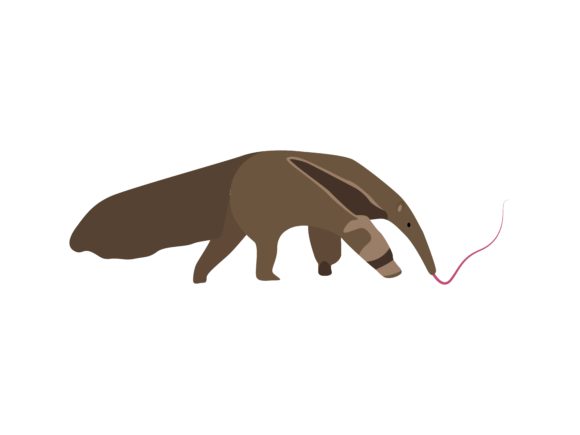
The Giant Anteater Animal: A Wildly Versatile Design Asset
There’s a certain magnetism to the giant anteater. It’s a creature of striking contrasts—both prehistoric and utterly unique, powerful yet graceful, and defined by one of nature’s most remarkable silhouettes. This inherent visual drama makes the giant anteater animal a surprisingly potent subject for creative projects. Moving beyond a simple zoo visit, this animal illustration, available as a comprehensive design asset, offers a gateway to injecting character and narrative into a multitude of applications. It’s not just a drawing; it’s a versatile tool for designers, entrepreneurs, and creators looking to make a memorable impact.
Unpacking the Visual Personality of the Giant Anteater
Understanding why this illustration works so well begins with the animal itself. The giant anteater’s form is a study in functional elegance. Its most defining feature, the elongated snout and bushy tail, creates a dynamic, flowing line that naturally guides the eye. The stark black and white markings across its body provide a built-in, high-contrast color palette that is instantly recognizable and translates beautifully into any medium, from a crisp vector logo to a detailed screen print.
The personality conveyed is one of quiet confidence and singular purpose. It’s not aggressive, but it is formidable. This makes the giant anteater animal illustration incredibly adaptable. For a children’s educational brand, it can be curious and friendly. For an outdoor apparel company, it can signify resilience and adaptability. For a quirky tech startup, it can symbolize a unique approach to solving problems. The illustration’s style—whether rendered in a realistic, textured manner or a more stylized, graphic form—further defines this personality, allowing it to fit seamlessly into projects ranging from elegant editorial design to playful social media graphics.
Practical Applications: From Stickers to Brand Identities
The true value of this design asset lies in its flexibility. The provided file formats (Ai, EPS 10, JPG, and PNG) ensure it’s ready for both digital and physical worlds. Let’s break down where the giant anteater animal illustration can truly shine.
- DIY & Education: This is a perfect starting point. Use the high-resolution JPG or PNG for creating engaging classroom posters, flashcards, or interactive learning materials about biodiversity and unique wildlife. Its distinctive look helps information stick.
- Apparel & Merchandise: The strong silhouette is ideal for T-shirt printing, tote bags, and hats. A single-color version works for screen printing, while the full-color version can be used for direct-to-garment (DTG) printing on stickers, phone cases, or notebooks for a craft market or online store.
- Branding & Marketing: This is where strategic application comes in. A simplified, iconic version of the giant anteater can form the core of a compelling logo design for a niche business—a nature blog, a sustainable products company, or a boutique consulting firm that prides itself on digging deep into data. It becomes a memorable brand mascot.
- Publishing & Digital Content: For bloggers and content creators, the illustration serves as a powerful featured image or a recurring visual motif. It can break up text-heavy pages, add visual interest to an invitation card, or become a signature element in a newsletter, building brand recognition over time.
Strategic Integration: Making the Asset Work for You
Simply placing an illustration isn’t enough. To maximize its impact, consider it part of your broader design strategy, much like choosing a premium font or a specific color scheme. Here’s how to approach it with a professional mindset.
Evaluate the Fit: Does the giant anteater’s narrative align with your project’s message? Its solitary, specialized nature can communicate expertise, focus, and a unique value proposition. For a marketing campaign, it can symbolize the idea of “uncovering hidden gems.” Test it alongside your existing brand assets—does it complement your chosen typeface and color palette? A sans serif font might give it a modern, clean feel, while a serif font could lend a more traditional, authoritative air.
Consider Readability and Hierarchy: In editorial design or packaging, the illustration shouldn’t compete with critical information. Use it as a spot illustration, a chapter opener, or a background texture with reduced opacity. Its lines and shapes can create visual pathways that lead the reader’s eye to headlines or calls to action, enhancing the overall visual hierarchy of your layout.
Test for Versatility: Before finalizing, see how the illustration performs at different scales. Does it remain recognizable as a small favicon or social media icon? Does it hold up when printed large on a banner? The clean vector formats (Ai, EPS) are essential here, allowing you to scale infinitely without quality loss, ensuring consistency across all touchpoints of your brand identity.
Ultimately, incorporating the giant anteater animal illustration is about adding a layer of authentic, intriguing character to your work. It’s a conversation starter, a visual anchor, and a testament to thoughtful design. By moving beyond a generic clipart mindset and treating it as a strategic creative asset, you can leverage its unique appeal to connect with your audience on a deeper, more memorable level. Whether you’re a small business owner building a brand from the ground up or a designer looking for that perfect, unexpected element, this versatile asset offers a world of creative potential.