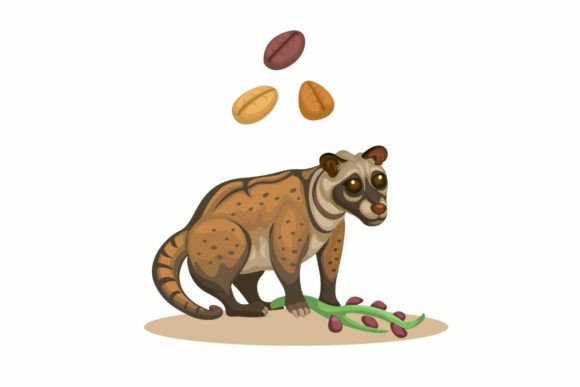
Civet Animal & Asian Traditional Coffee: A Design Asset with a Wild Soul
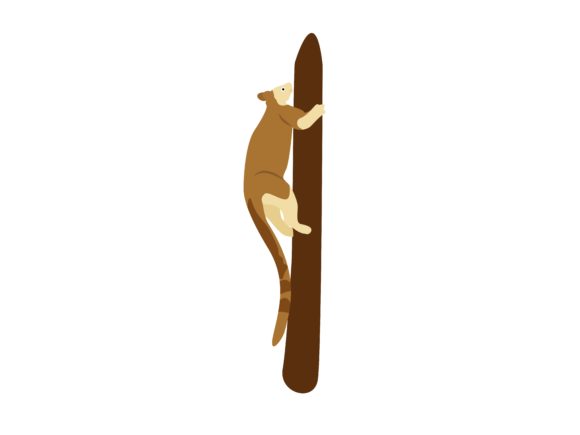
In the crowded landscape of modern typography, finding a typeface that tells a story is rare. Civet Animal and Asia Traditional Coffee is not merely a set of characters; it is a visual narrative that captures the rugged elegance of the Asian jungle and the rich, aromatic history of traditional coffee production. For designers, marketers, and content creators, this typeface offers a bridge between the raw, organic world of the civet cat and the sophisticated, earthy tones of the coffee bean. It represents a specific aesthetic movement where nature meets craftsmanship, making it an invaluable tool for branding that demands authenticity and depth.
Visual Characteristics and Personality
When you look at Civet Animal and Asia Traditional Coffee, the first thing that strikes you is its organic imperfection. Unlike the sterile precision of geometric sans serif fonts, this typeface feels handmade. The strokes often mimic the texture of coffee stains or the rough brush of a paw print. It carries the weight of a display font—meant to be seen and felt, not just read. The letterforms are likely bold, with high contrast between thick and thin strokes, suggesting a blend of a serif font structure with the fluidity of a script font.
The personality of this font is earthy, adventurous, and authentic. It avoids the sleek, futuristic vibe of many digital-first typefaces. Instead, it leans into a vintage aesthetic, reminiscent of old colonial coffee packaging or hand-painted signs found in rural Asian markets. This creative font has a "wild" quality that reflects the civet animal itself—unpredictable yet graceful. For a brand strategist, this personality translates into trustworthiness and a connection to heritage. It tells the audience that the product or service behind the logo is rooted in tradition and quality.
Strategic Applications: From Packaging to Digital Branding
The utility of Civet Animal and Asia Traditional Coffee extends far beyond simple text placement. In packaging design, this typeface is a powerhouse. Imagine it stamped across a craft paper coffee bag or embossed on a luxury chocolate box. Its visual texture eliminates the need for excessive graphics; the typography itself becomes the art. It is perfect for editorial design, particularly in magazines or blogs focusing on gastronomy, travel, or sustainable living. A headline set in this font immediately sets a mood of warmth and exploration.
In the realm of web design and social media graphics, this font serves as a focal point. Because it is a premium font with high visual impact, it is best used for headers, hero text, or pull quotes. Using it for body copy would likely hinder readability, but as a headline, it commands attention in a busy Instagram feed or a landing page. For entrepreneurs building a brand identity, this typeface offers a distinct competitive edge. It moves a brand away from generic minimalism and towards a more curated, artisanal aesthetic. It works exceptionally well for:
- Specialty Coffee Shops: Establishing an atmosphere of authenticity and bean-to-cup integrity.
- Eco-Tourism Brands: Conveying adventure, nature, and respect for wildlife.
- Artisan Bakeries: Highlighting the handcrafted, small-batch nature of the products.
- Men’s Grooming Products: Utilizing the rugged, masculine energy of the civet animal motif.
For digital creators and bloggers, this font is a secret weapon for visual hierarchy. By using Civet Animal and Asia Traditional Coffee for your main headers, you create a strong anchor point that draws the reader’s eye, allowing you to pair it with a cleaner sans serif font for the body text to ensure clarity.
Technical Evaluation and Font Pairing
When integrating this typeface into your workflow, treat it as a design asset that requires careful handling. As with many ornamental or handwritten fonts, legibility at small sizes is a concern. Always test the font at various scales. It typically shines at larger sizes where the nuances of the letterforms can be appreciated. If you are using it for a logo, ensure that the spacing (kerning) is adjusted manually. Organic fonts often have irregular spacing that can look awkward if not fine-tuned.
Font pairing is critical to making this design work in a professional context. Because Civet Animal and Asia Traditional Coffee has a strong, decorative personality, it demands a quiet partner. Avoid pairing it with other script fonts or high-contrast serif fonts, as this will create visual chaos. Instead, look for a neutral, geometric sans serif font with a tall x-height. Fonts like Montserrat, Roboto, or Open Sans provide the modern, clean structure needed to balance the wild nature of the display font.
Consider the following practical steps when evaluating this font for your next project:
- Context Testing: Place the font against your intended background colors. Earthy tones (deep browns, forest greens, cream) usually complement its aesthetic best.
- Readability Check: Print out a sample or view it on a mobile device. Can the message be understood instantly?
- Licensing Review: Ensure you have the correct commercial font license. If you are a freelancer creating a logo for a client, verify if the license covers the end product or if the client needs to purchase a separate asset license.
Ultimately, Civet Animal and Asia Traditional Coffee is more than just a typeface; it is a strategic choice for creators who want to evoke a sense of place, history, and sensory experience. It appeals to the adult market that values craftsmanship over mass production. By using this font, you are not just choosing letters; you are choosing a story of the Asian jungle and the rich, dark brew of traditional coffee. It is a tool for building brands that feel alive, grounded, and deeply connected to the natural world.