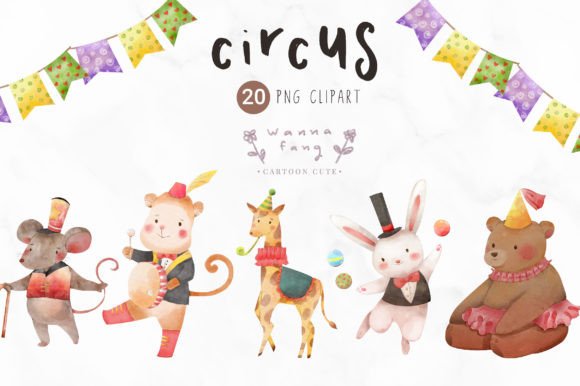
Animal Circus Adorable Animal Watercolor: A Designer's Guide
Capturing Whimsy in Every Stroke
Finding a design asset that genuinely balances professional polish with heartfelt charm can feel like searching for a needle in a haystack. We often encounter files that are either too childish to be taken seriously or too stiff to convey warmth. This is where the Animal Circus Adorable Animal Watercolor collection steps in, offering a unique middle ground. It isn't just a set of images; it is a curated suite of visual storytelling tools designed to bridge the gap between professional marketing needs and the desire for authentic, human connection.
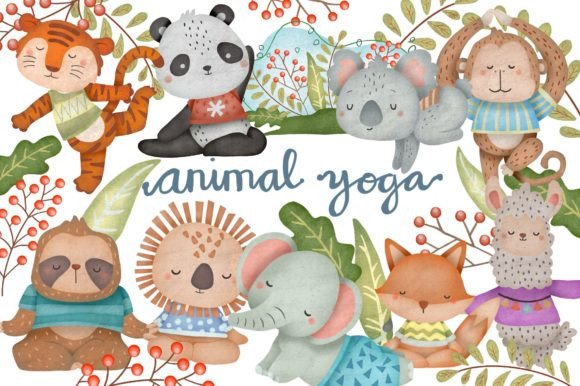
The core of this collection lies in its specific aesthetic. We are looking at a style that merges the fluidity of traditional watercolor painting with the clean, scalable requirements of modern digital design. The visual characteristics are distinct: soft, bleeding edges typical of wet-on-wet painting techniques, a vibrant but slightly desaturated color palette that feels organic, and subject matter that evokes a sense of playfulness. These are not stiff, vectorized illustrations. They retain the texture and "happy accidents" of hand-painted art, giving them a personality that stock imagery often lacks.
For the creative professional, this style solves a specific problem. In a digital landscape dominated by flat design and rigid geometry, these watercolor elements introduce a necessary layer of texture and humanity. The "cute" factor is present, certainly, but it is executed with a sophistication that allows it to function within high-end brand identity projects, provided the context is right.
Strategic Applications for Modern Creators
Understanding the file specifications is the first step in practical application. The collection provides 20 PNG files with transparent backgrounds at 300 DPI. This technical setup is crucial. The high resolution ensures these assets are not limited to screen use; they are fully viable for print production. Whether you are working on packaging design for a boutique product or creating editorial design layouts for a magazine, the 300 DPI requirement means the textures will remain crisp and the color gradients smooth, avoiding the pixelation that plagues lower-quality assets.
The transparent background is equally important for workflow efficiency. As a designer or content creator, the ability to layer these animals over complex backgrounds, text, or other design elements without needing to manually mask them saves hours of production time. This makes the collection particularly valuable for those working on tight deadlines, such as social media managers or freelance designers handling multiple clients.
Where does this style truly shine? Consider the following real-world scenarios:
- Children's Education and Publishing: For bloggers and authors creating educational materials, these illustrations offer a friendly, approachable visual language that encourages learning without being intimidating.
- Small Business Branding: Entrepreneurs in the pet care, artisanal goods, or lifestyle sectors can use these assets to build a brand identity that feels personal and handmade. A watercolor lion or elephant can become a mascot that signals quality and care.
- Event Stationery: The "Animal Circus" theme lends itself perfectly to invitations for baby showers, children's birthdays, or whimsical weddings. The files can be easily integrated into print design layouts.
- Digital Marketing: In a sea of generic stock photos, a hand-painted animal illustration can stop the scroll. These assets are excellent for creating unique social media graphics that stand out in a feed.
Integrating Assets into Professional Workflows
While these are illustrations rather than a typeface, they function as a display font of sorts—they are the "voice" of your visual hierarchy. However, pairing them with the right typography is where the design truly comes together. Because the watercolor style is organic and somewhat busy, it requires a typographic counterpart that offers stability and readability.
Avoid pairing these illustrations with overly decorative script fonts or complex handwritten fonts, as this will result in visual clutter. Instead, look to clean sans serif fonts with good legibility. A geometric sans serif can provide a modern counterpoint to the vintage feel of the watercolor, creating a dynamic tension that feels fresh. Alternatively, a sturdy serif font can ground the design, lending it an air of editorial authority while letting the illustrations provide the whimsy.
When evaluating the fit of Animal Circus Adorable Animal Watercolor for a client project, context is everything. This collection is a premium font equivalent in the illustration world—it implies a level of care and investment in the visual assets. It works best for brands that want to be perceived as approachable, creative, and authentic. It may not be the right fit for a corporate law firm or a fintech startup aiming for a cold, ultra-modern aesthetic, but for lifestyle, wellness, and creative industries, it is a powerful tool.
Practical Implementation Tips
To get the most out of these design assets, consider the background on which they sit. Watercolor relies on contrast. Placing these elements on a stark white background creates a clean, airy look suitable for stationery. Placing them on a textured paper background or a muted pastel can enhance the "handmade" feel, making the digital product feel more tangible.
Color grading is another consideration. While the files come as-is, a skilled designer can easily adjust the hue and saturation in Photoshop or Illustrator to match specific brand color palettes. This flexibility allows a single collection to serve multiple clients across different seasons and campaigns.
Finally, remember that restraint is the hallmark of good design. Just because you have 20 distinct animal illustrations doesn't mean you need to use them all at once. Select one or two hero images to anchor your layout. Use them to guide the viewer's eye, perhaps placing a looking animal near a call-to-action to draw attention. This selective approach ensures that the "cute" factor enhances the message rather than overwhelming it, proving that even the most adorable animal circus can be a serious asset in a professional's toolkit.